by Jenny Friedman, RD | Dec 4, 2023
So, you want to start doing food play with your picky eater? You may have heard getting hands-on with food is the key to helping picky kids try new foods. While food play is just one piece of the puzzle, it’s true that hands-on experiences can accelerate progress...
by Jenny Friedman, RD | Nov 28, 2023
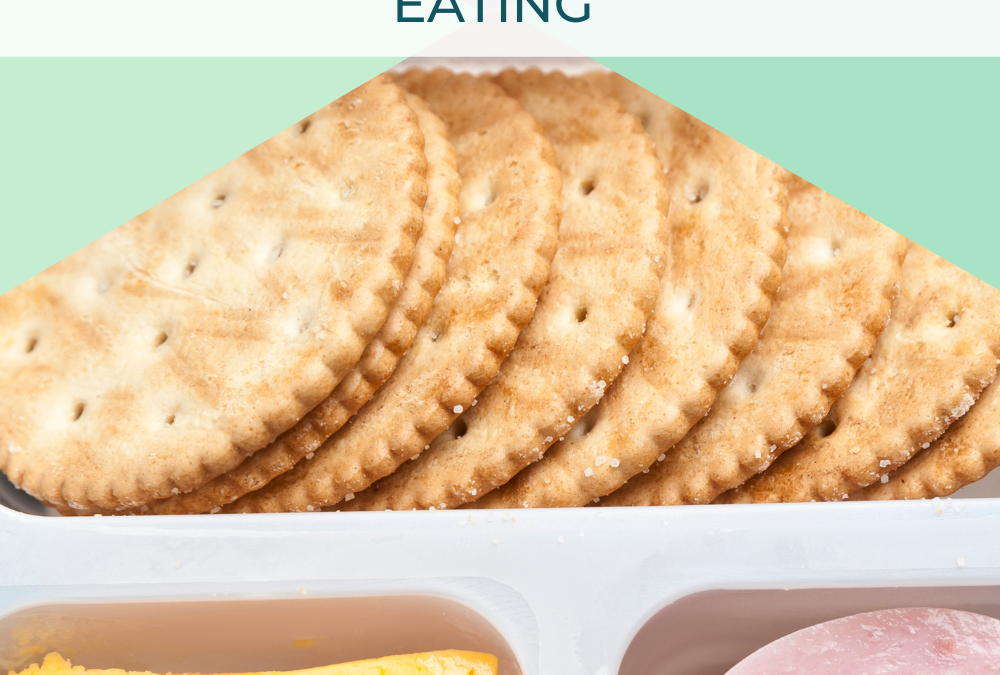
I grew up in the 90’s when Lunchables were all the rage. And while a lot of things in the school lunch department have changed since then (someone please tell me when brown paper bags stopped being a thing), one thing remains the same: kids loooooove Lunchables....
by Jenny Friedman, RD | Nov 15, 2023
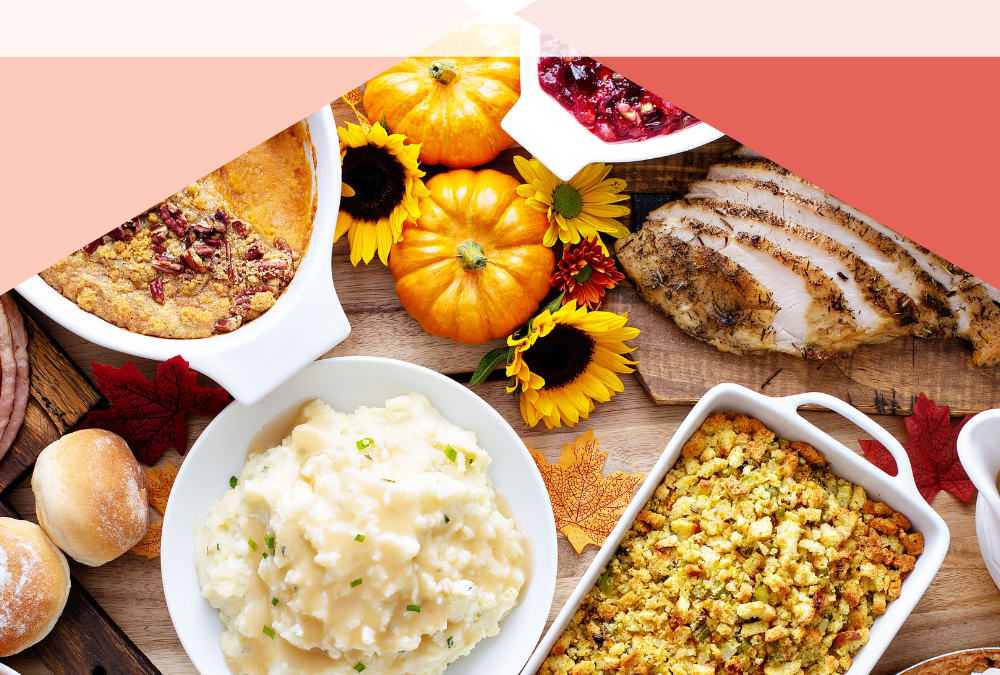
Thanksgiving’s around the corner. It’s officially the Holiday Season. Cheer! Joy! Magic! And…. Stress. Your child’s eating is a major stressor in an already incredibly magical chaotic time of year. You know because you live it every day: when you have a picky eater,...
by Jenny Friedman, RD | Oct 10, 2023
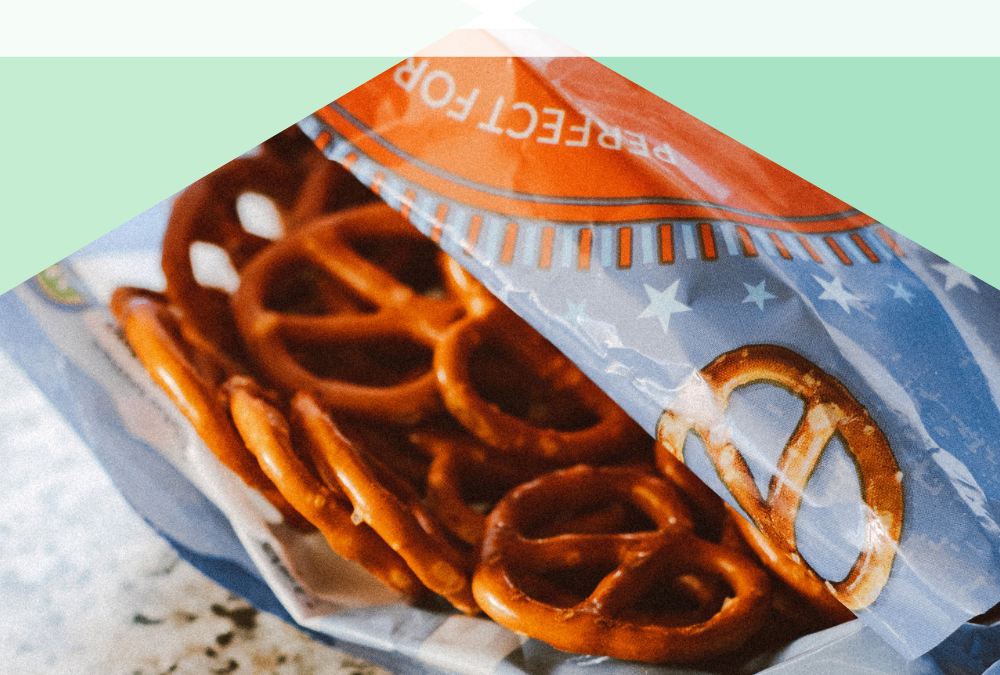
Here’s why I stopped buying packaged snacks for my kids: Just kidding! I’m in my packaged snacks era. Seriously, bring ‘em! After a summer of painful car rides with one impatient toddler, I stocked up on all sorts of packaged goodies and have never looked back. Why?...
by Jenny Friedman, RD | Aug 21, 2023
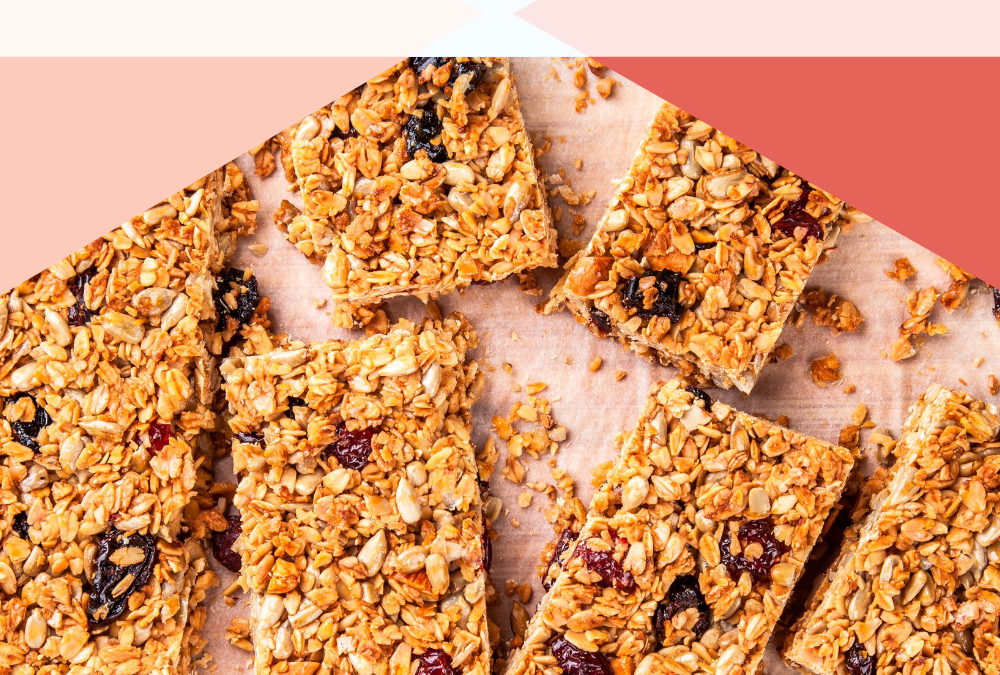
In this article you’ll find 13 nut-free bars and snacks that are nutritious and safe for school. Limitations with eating are hard, no matter the reason. So, whether your kid loves PB&J…and only PB&J, or they’re one of the many peanut/tree nut allergic...