Artificial food dyes are in more products than most parents realize. There are the obvious ones, candy, cereal, fruit snacks, and the surprising, pickles, salad dressing, vitamins, and even some medications. For families of children on the autism spectrum, questions about whether synthetic dyes affect behavior, attention, or symptoms come up constantly. And increasingly, these questions are coming from families of neurotypical children, too.

As a registered dietitian specializing in extreme picky eating and ARFID, I work with a lot of families who are navigating selective diets alongside questions about what’s actually in the food their kids will eat. Here’s what the research says, and what I recommend in practice.
Food Dyes And Autism
At a Glance
- Some studies suggest that artificial food color is associated with increased hyperactivity in children, particularly those sensitive to dyes
- The most studied dyes in relation to children’s behavior are Red 40, Yellow 5, and Yellow 6
- There is no proven causal relationship between ASD (Autism Spectrum Disorder) symptoms specifically and eating food dyes, but that doesn’t mean individual children aren’t sensitive
- Reducing processed food products naturally reduces dye exposure for all kids
- A dye-free diet is relatively low-risk and worth considering if you suspect a connection
The Details
For the amount parents ask about the relationship between artificial food dyes and autism or ADHD, the research is still surprisingly limited, but it has grown since this post was first published. Here’s what we know.
The clearest evidence links synthetic dyes, particularly Red 40, Yellow 5, and Yellow 6, to increased hyperactivity and ADHD symptoms in some children. A notable 2007 study published in The Lancet found that a mixture of artificial food colors plus sodium benzoate increased hyperactive behavior in both 3-year-olds and 8–9-year-olds in the general population. This led the European Food Safety Authority to require warning labels on food products containing certain dyes. The FDA reviewed the same data and concluded that the evidence did not support a causal link for most children, but acknowledged that some children may be sensitive.
For children on the autism spectrum specifically, the research is thinner. There is no proven relationship between ASD core symptoms and artificial food color consumption. However, many children with autism have heightened sensory sensitivities, are more prone to behavioral problems, and may be more reactive to dietary variables, which is why so many families on the autism spectrum choose to eliminate dyes and report noticing a difference.
The honest answer is that the science hasn’t definitively resolved this question. What we do know is that reducing artificial food color and processed food products is unlikely to have harmful effects, and may have real benefits for children’s behavior and mental health, particularly for those who are already sensitive.
Before going dye-free, consider the following:
- What are your goals and motives for avoiding artificial food dyes?
- Are sleep disruption, hyperactivity, or behavioral problems areas where you think your child could improve?
- Will cutting out foods with artificial coloring significantly limit your child’s safe foods or cause distress?
- Is this a manageable change given your child’s current diet?
The last question matters especially for picky eaters. If your child’s accepted foods are already very limited, removing dyes from those foods without disrupting their intake requires careful navigation. Swapping to a dye-free version of an accepted food is always worth trying, but if the new version gets rejected, your child’s overall nutrition matters more than dye elimination.
How To Cut Dyes Out Of Diet
Eliminating artificial food color doesn’t have to be an overhaul. Here are practical ways to reduce dye exposure without adding mealtime stress.

Start With the Biggest Sources
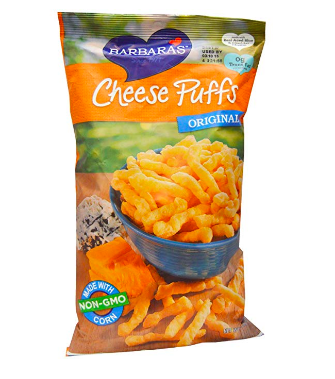
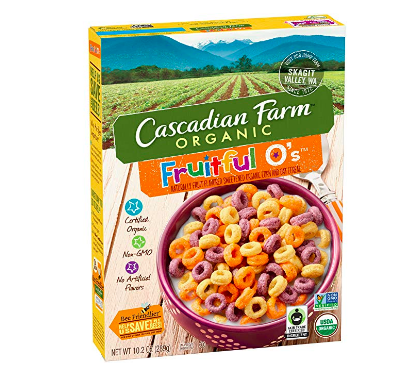
The foods with the most artificial food color are usually the most brightly colored: candy, fruit snacks, flavored drinks, colored cereals, and packaged snacks. These are the highest-impact places to start. Swapping one or two of these for dye-free alternatives is more manageable than trying to overhaul everything at once.
Read Ingredient Labels
Synthetic dyes are always listed by name on ingredient labels, Red 40, Yellow 5, Yellow 6, Blue 1, Blue 2, Green 3, and Red 3 are the most common ones used in U.S. food products. Getting familiar with these names makes label reading faster. If dye names don’t appear in the ingredient list, the product is dye-free.
Swap, Don’t Remove
For picky eaters, removing a safe food without offering a replacement is risky. Instead, look for a dye-free version of what your child already accepts. Many brands now offer natural versions of their products or there are dye-free alternatives that are close enough in taste and texture to make the transition manageable.
Focus on Whole Foods Where Possible
When you build meals and snacks around naturally colored whole foods such as fruit, vegetables, plain proteins, whole grains, dye exposure drops naturally. This isn’t always realistic for picky eaters, but even partial shifts toward whole food options reduce the overall dye load.
Give It Time
If you’re trialing a dye-free approach to see if it affects your child’s behavior, give it at least four to six weeks before evaluating. Behavioral changes, if they happen, are rarely immediate, and the elimination needs to be consistent enough to observe a real effect.
Dye Free Diet Benefits
A dye-free diet has potential benefits for children both on and off the autism spectrum. Here’s what families commonly report and what the evidence actually supports.
Reduced Hyperactivity
The strongest evidence for dye-free diets relates to hyperactivity. Studies have found that some children, particularly those with ADHD symptoms or sensitivity to food additives, show measurable reductions in hyperactive behavior when artificial food color is removed from their diet. This benefit isn’t universal, but it’s real for a meaningful subset of children.
Fewer Behavioral Problems
Many families report that eliminating synthetic dyes reduces meltdowns, irritability, and difficulty with emotional regulation in their children. While this is largely anecdotal, it’s consistent enough across families to take it seriously, especially for children on the autism spectrum who may be more sensitive to dietary variables.
Fewer Processed Food Products Overall
One of the side effects of going dye-free is that it naturally reduces reliance on highly processed food products, which tend to be lower in nutrients and higher in sugar, sodium, and additives. This shift toward less processed eating has broad nutritional benefits beyond dye elimination.
Better Sleep
One small study found that high yellow dye intake was associated with disrupted sleep in children. Sleep is foundational to behavior, learning, and mental health, so even a modest improvement in sleep quality from reducing dyes can have downstream benefits.
Peace of Mind
For parents who suspect a connection between dyes and their child’s behavior, trying a dye-free approach provides clarity, either you see a difference, or you don’t. Either way, you have more information than you did before.
What To Do About Allergic Reactions to Food Dyes
Some children experience genuine allergic or sensitivity reactions to artificial food color, not just behavioral changes, but physical symptoms including hives, itching, stomach upset, or respiratory symptoms. Red 40 in particular has been associated with hypersensitivity reactions in some individuals.
If your child shows physical symptoms after consuming brightly colored food products, it’s worth speaking with a pediatrician or allergist. While true IgE-mediated food dye allergies are rare, sensitivity reactions are more common and often go unidentified. Keeping a food and symptom diary for two to four weeks is a useful first step for identifying patterns before a medical appointment.
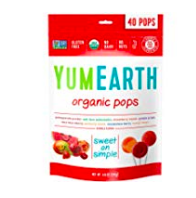
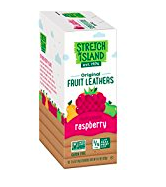
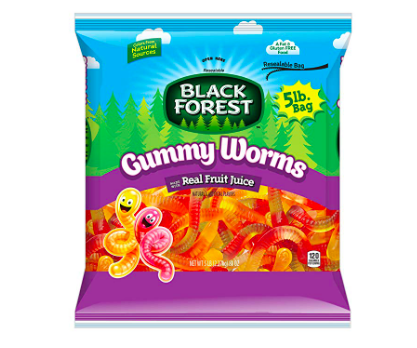
Naturally Colored Candies and Sweets

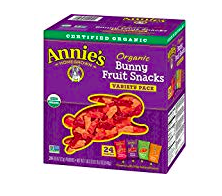
Annie’s Organic Bunny Fruit Snacks
Annie’s Organic Bunny Snacks Variety Pack (cheese and graham crackers)
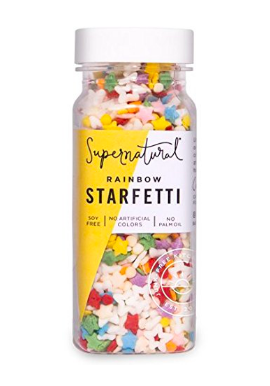
Naturally Colored Baking
McCormick Color Natural Food Coloring
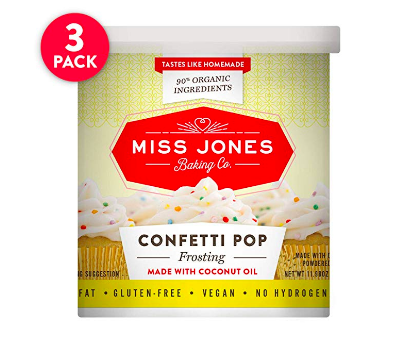
Wholesome Vanilla, Chocolate, and Strawberry Frosting
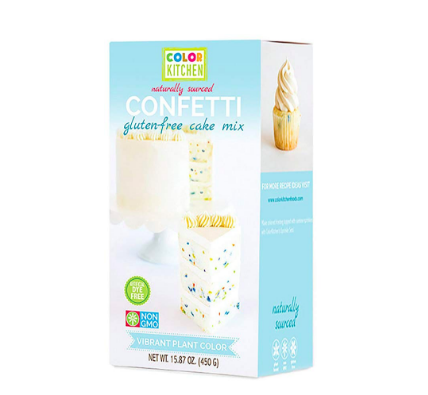
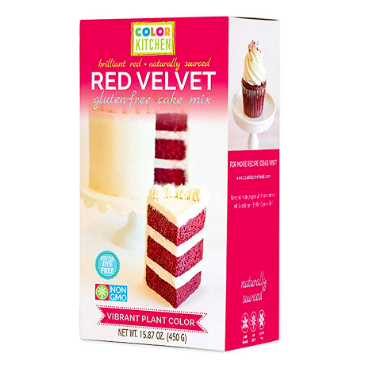
Color Kitchen Red Velvet Cake Mix
If your child’s eating is so selective that even navigating a dye-free swap feels overwhelming, that’s a sign the bigger picture — the picky eating itself — may need more support. The free 3 Steps to Eating guide walks through the foundational framework I use with extreme picky eaters and kids with ARFID to help them build comfort with new foods and new versions of accepted foods, one manageable step at a time.


0 Comments