Jenny Friedman Nutrition | ARFID dietitian
  • About Jenny
  • My Book
  • Work With Me
    • My Program
    • Food Play Plan
    • Coaching
  • Resources
  • Testimonials
  • Blog
Select Page

Healthy Dairy-Free Popsicles

by Jenny Friedman, RD | Dec 3, 2018

As a registered dietitian specializing in extreme picky eating and ARFID, I’m always looking for ways to make food feel less threatening and more fun. That feels easier on summer days when a treat is all anyone really wants. Homemade popsicles check a lot of boxes: they’re a low-pressure way to introduce new flavors, they work beautifully as a summer treat for kids with sensory sensitivities, and they’re refreshing on hot summer days. 

There’s something special about a popsicle. In my house they’re a total treat, a lifesaver for cranky moments, and an effortless way to celebrate tiny moments. I bought this popsicle tray a few years ago to make my own (so they’re cheaper, healthier, and a lot more fun) and we now use these more frequently. They’re perfect for using up our leftover smoothie.

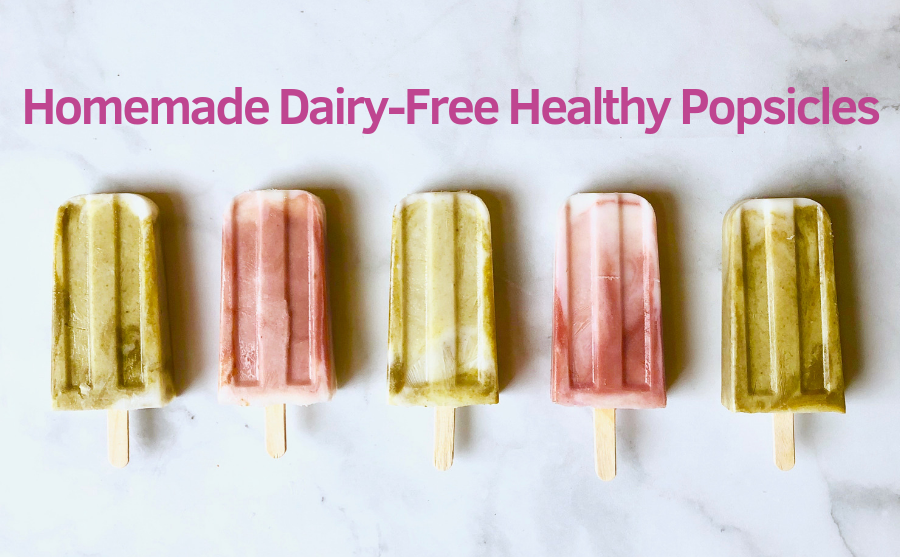
I created this dairy-free popsicle recipe for a few reasons. I was looking for a nutritious snack that my kids would actually be excited about. And, when you make your own, popsicles are an easy way to introduce new or less preferred foods and nutrients in an appealing way. This recipe has protein and calcium from the yogurt, plus all of the vitamins and minerals found in fruit and vegetable purees. As a bonus, these contain no added sugar or food dyes.

Read more about autism and food dyes here

The recipe is 100% customizable for every preference, diet, and nutrition plan. You are in charge of flavor, ingredients, and even the proportion of ingredients. Opt for dairy free creamy yogurt alternatives if your child can’t tolerate dairy. Load your pops with more fresh fruit if you suspect your little isn’t getting enough vitamins and minerals, or opt for more yogurt if calcium and protein are the issue.

These pops are a vehicle to push your nutrition agenda. No, it’s not as sneaky as it sounds! This is your chance to offer new flavors and foods in a fun and gentle way. Just think about it — roasted beets might be a deal breaker for your child, but beets are surprisingly sweet, have a vibrant color, and might be welcome in an ice pop.

Homemade Dairy-Free Healthy Popsicles for Kids

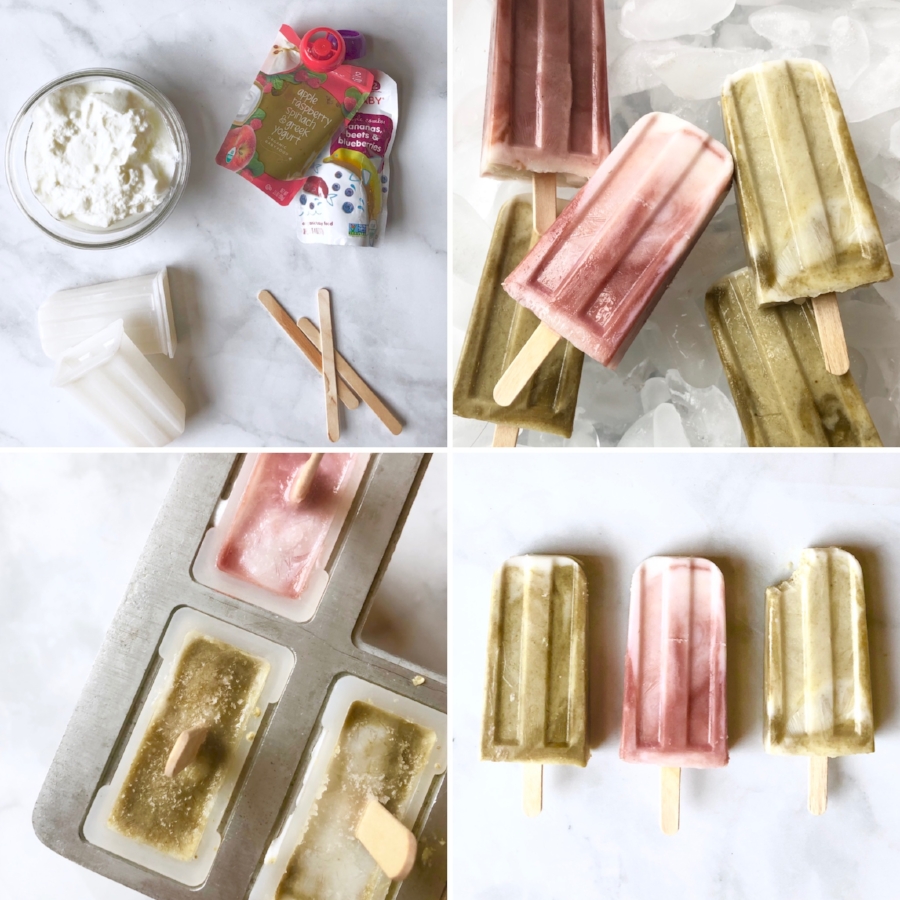
Ingredients:

  • 1 large carton of yogurt, variety your choice
  • 2–3 pureed fruit and/or veggie pouches of your choice
  • Popsicle mold
  • Wooden popsicle sticks

Instructions

In a large bowl, combine your desired ratio of yogurt and puree. Mix until evenly incorporated, then add to popsicle mold, filling to the top. Add popsicle sticks and freeze until solid.

Alternatively, you can add yogurt and fruit puree directly into the popsicle mold, alternating to create layers, or add fruit and yogurt directly to the mold, filling halfway, then swirling with a popsicle stick. And repeating until the mold is full.

How To Make Yogurt Popsicles Creamy

The secret to a creamy, smooth popsicle, especially a dairy-free one, is fat content. Here are a few tips and ingredient swaps that make a big difference:

Use full-fat coconut milk. Coconut milk is one of the best dairy-free bases for creamy popsicle recipes. Its high fat content gives homemade popsicles a rich, smooth texture that’s closer to ice cream than a standard fruit pop. Use it on its own or blend with your yogurt base.

Choose a thick dairy-free yogurt. Not all dairy-free yogurts are created equal. Look for coconut milk or cashew-based varieties, which tend to be thicker and creamier than oat or almond versions. Thicker yogurt means a better texture in the finished pop.

Add a banana. A ripe banana blended into the mixture adds natural sweetness and creaminess without any added sugar. It also helps bind the ingredients together for a smoother freeze.

Tips for Tasty Yogurt Popsicles 

Sweeten with maple syrup if needed. If you’re using tart fruits or unsweetened yogurt, a small drizzle of maple syrup rounds out the flavor without relying on refined sugar. Start with a teaspoon and adjust to taste.

Add a splash of orange juice. A small amount of orange juice brightens the flavor of fruit-based pops and adds a natural sweetness that works especially well with berry or mango bases.

Best Popsicles for Kids with ARFID

For kids with ARFID, popsicles aren’t just a summer treat, they can be a strategic food exposure opportunity. The cold temperature, smooth texture, and familiar sweetness can make popsicles a more approachable format for introducing new flavors. Here are some popsicle recipes worth trying based on common safe food profiles.

Vanilla Yogurt Popsicles

For kids who accept vanilla or plain flavors, a simple vanilla yogurt pop made with just a few simple ingredients — dairy-free yogurt, a touch of maple syrup, and vanilla extract — is an easy starting point. 

Strawberry Coconut Milk Popsicles

Strawberry is one of the most commonly accepted fruits among picky eaters. Blending fresh or frozen strawberries with coconut milk and a small amount of maple syrup creates a smooth, dairy free creamy pop with no chunks or surprises. The coconut milk base keeps the texture consistent throughout.

Mango Orange Popsicles

For kids who tolerate fruit purees or pouches with these fruits, a mango and orange juice pop is a natural bridge. Both flavors are sweet rather than tart, and the smooth texture is sensory-friendly. This works especially well for kids who already accept mango or tropical fruit flavors in other formats.

Apple Sauce Popsicles

One of the simplest options: pour unsweetened applesauce directly into the mold and freeze. For kids who love applesauce, this is the same food in a new and exciting form, which is exactly how food bridging works. You can add a small swirl of yogurt or cinnamon to create variety.

Smoothie Pops

If your child accepts a smoothie, they may accept that same smoothie frozen into a pop. Use whatever combination of fruit, yogurt, and liquid they already tolerate, pour it into the mold, and freeze. Reframing an accepted food as a new and fun format — without changing the actual ingredients — is a low-pressure way to build flexibility around food.

Food Bridging with Popsicles

Popsicles are a flexible food bridging tool for picky eaters. Once a flavor is familiar and safe frozen, you can try offering the same thing unfrozen. For many kids, the familiarity transfers, even if it takes a few introductions. does. Eventually, you can separate the ingredients and work on your child accepting them individually. 

You can also use popsicles to gradually introduce texture. Start with a completely smooth pop, then try adding a small amount of whole fruit blended in so the texture is barely detectable. Over time, you can increase the amount of whole fruit until your child is tolerating real fruit pieces inside the pop. From there, offering that same fruit fresh or thawed is a much smaller leap than it would have been from scratch.

A few other ways to play with the format:

  • Freeze it partially. A half-frozen popsicle has a slushy, spoonable texture that sits between a smoothie and a solid pop. This is useful for kids who are working on tolerating different textures.
  • Serve it in a cup. Pour the same mixture into a small cup instead of a mold. Same flavors, different format, which is a big step for many kids.
  • Let your child make it. Involving kids in mixing and pouring the ingredients is a hands-on food interaction that builds comfort before any eating is expected. The act of making the pop counts as exposure too.
  • Use it to introduce a new ingredient. A small amount of something new, like a different fruit, a vegetable puree, even a new yogurt flavor, blended into an otherwise accepted popsicle recipe is a low-stakes introduction. The familiar flavors provide a safe backdrop for whatever you’re working toward.

Recap

Homemade popsicles are one of the most underrated tools in a picky eater’s kitchen. They’re endlessly customizable, they work for a wide range of dietary needs, they offer a gentle, no-pressure way to introduce new flavors, and they can be a jumping off point for food bridging. Whether you’re working with simple ingredients your child already loves or slowly bridging toward something new, popsicle recipes are worth keeping in your summer rotation.

0 Comments

Follow me on Instagram

New on the blog:

What Is Food Therapy For Kids

Related Posts

  • How To Sneak Protein Into Meals For Kids
  • 8 Sensory Issues With Food
  • Healthy Sensory-Friendly Snacks for Picky Eaters
  • Easy & Healthy Foods For Picky Eaters (That They’ll Actually Eat)
  • 10 Ways to Help Your Picky Eater Learn to Eat Vegetables
  • Privacy Policy
  • Affiliate Policy
  • HIPAA Privacy Practices

© 2026 Jenny Friedman Nutrition

  • Follow
  • Follow
  • Follow

Contact

We use cookies on our website to give you the most relevant experience by remembering your preferences and repeat visits. By clicking “Accept”, you consent to the use of ALL the cookies.
Cookie settingsACCEPT
Manage consent

Privacy Overview

This website uses cookies to improve your experience while you navigate through the website. Out of these, the cookies that are categorized as necessary are stored on your browser as they are essential for the working of basic functionalities of the website. We also use third-party cookies that help us analyze and understand how you use this website. These cookies will be stored in your browser only with your consent. You also have the option to opt-out of these cookies. But opting out of some of these cookies may affect your browsing experience.
Necessary
Always Enabled
Necessary cookies are absolutely essential for the website to function properly. This category only includes cookies that ensures basic functionalities and security features of the website. These cookies do not store any personal information.
Non-necessary
Any cookies that may not be particularly necessary for the website to function and is used specifically to collect user personal data via analytics, ads, other embedded contents are termed as non-necessary cookies. It is mandatory to procure user consent prior to running these cookies on your website.
SAVE & ACCEPT