

To better understand the various eating barriers of children with autism, it’s helpful to be familiar with the different kinds of sensory challenges in autism that your child might experience. Below are some common sensory autism symptoms that could be a clue behind autism eating behaviors that you might see in your child.
Common Sensory Issues in Autism
-
Avoids movement
-
Gagging at the sight, smell, or taste of foods
-
Clumsy (poor sense of body in space)
-
Unable to tolerate watching or hearing people eat
-
Uncomfortable in busy public spaces
-
Dislikes bright or flashing lights
-
Prefers tight clothing
-
Bites things including clothing, toys, others, or self
-
Squeezes in tight spots
-
Poor sense of feeling hungry or full
-
Prefers foods with strong flavors (very salty, spicy, sour, etc)
-
Particular about how clothes fit and/or their fabric
-
Likes loud, fast-paced TV
-
Likes to get up and close to the TV or speakers
-
Poor core strength
-
Prefers crunchy foods
-
Disturbed by sudden, loud noises
-
Eats quickly and/or excessively (gorging)
-
Prefers foods with uniform texture
You can use this list of to understand if your child might have sensory autism symptoms that impact eating behavior. Please know that these behaviors are not diagnostic or universal; to every child with autism. These are just symptoms that are commonly seen in the autism population. Your child might display some, none, or many of these sensory symptoms and they may or may not impact your child’s eating behaviors.
Autism and Sensory Food Aversions: How to Get a Child with Autism to Eat
Many children with autism experience difficulties in processing sensory information. Because of this, they often crave things related to their sensory needs or might benefit from certain activities that make their sensory experience feel more comfortable.
The sensory issues common to autism can interfere with eating behavior. While there is no cure for symptoms associated with common autism sensory signs or even for sensory processing disorder itself, there are certainly ways to manage symptoms so eating is easier and more successful.
My Best Food Tips for ASD and Sensory Food Aversions:
Food Texture Aversion in Autistic Kids: 3 Ways to Help Your Picky Eater
Sensory-Friendly Protein for Kids
How to Make Sensory Food Aversions Your Friend
8 Solutions For a Picky Eater with Autism and Sensory Food Aversions
How to Prepare A Child with Autism and Sensory Symptoms To Eat
In addition to finding the best foods for sensory issues in autism, you can try some of the following recommendations to prepare an autistic child with sensory issues to eat and also create a comfortable eating environment for kids with sensory issues.
If your child craves sensory input, try:
-
Serving strong flavors like sauces, hot sauce, dips
-
A weighted lap pad at meals
-
Calming lavender aromatherapy before meals
-
Serving bright foods
-
Serving a variety of textures
-
Playing with bubbles or light up toys before eating
-
Setting up a calming obstacle course with gel tiles leading to the table
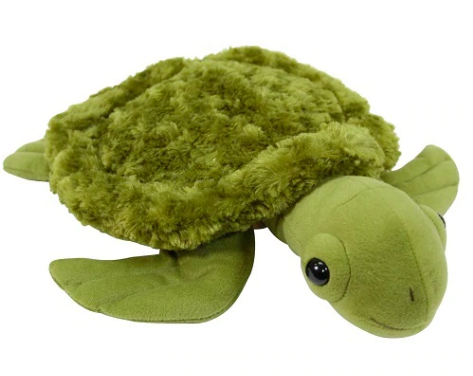



If your child avoids sensory input, try:
-
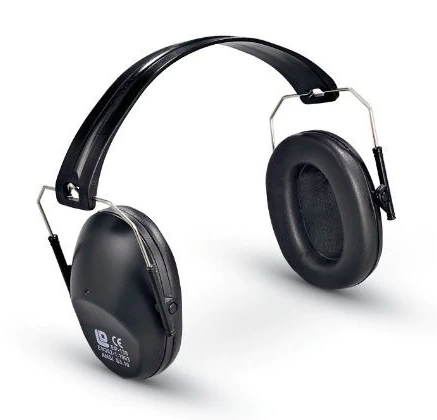
Noise reduction earmuffs during meals
-
Stimulating the oral sensory system with chewing toys
-
Avoid seasonings and brightly colored foods
-
Dim the lights during meals to create autism friendly lighting
-
Keep your child away from the kitchen while foods are cooking

As always, these suggestions are not meant to diagnose or treat. Please seek out help from a doctor or occupational therapist if you’re concerned
Recap
Many children with autism experience sensory issues that can impact eating behavior. Observe your child for signs of sensory autism symptoms. Kids with autism and sensory symptoms might crave certain sensory inputs or benefit from activities that make the sensory experience of eating feel more comfortable.
Homework
Observe your child and identify possible sensory issues. Do you think these sensory autism symptoms interfere with eating? If so, use the above list of suggestions to introduce some changes that might help your child with autism eat.
AND! Personalized Support
If you want an individualized approach to help your autistic child overcome sensory barriers to eating, consider my signature nutrition coaching program. You can sign up for a free call HERE.


0 Comments