This article shares the best portion sizes for picky eaters and how portion can help your picky eater try new foods.
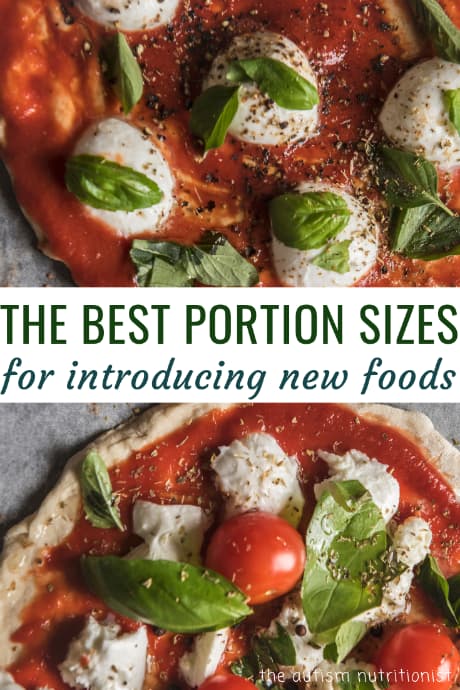
Size matters! And no, bigger isn’t always better.
Smaller food portions are a lot less intimidating for little kids. It’s true when serving favorites, and especially so when introducing new or less preferred foods.
Kids don’t want to eat or even meet huge portions of brand new foods.
When you put a big old heaping portion of a new food on the plate of an extremely picky eater they’re going to think they need to eat it ALL. And they won’t like it!
The Best Portion Size for Picky Eaters
Most often, smaller is better when it comes to serving new foods to picky eaters.
Small sizes are less threatening and more manageable (plus less wasteful!).
When serving a new food at a meal, you might need to start with a portion size that is as small as a grain of rice.
I know, I know. That’s small!
Here’s the thing – your child might not feel okay with a larger portion. But this teeny portion? This they can do.
You don’t have to start as small as a piece of rice. Go as big as your child can handle – maybe it’s a teaspoon-sized portion. Maybe it’s the size of a pea.
You want to give your child a win with eating and show them how capable they really are. Once your child can eat that a small portion, then you can increase the portion size. Slowly increase the portion as your child is comfortable until they are eating an age-appropriate portion.

How to Serve New Foods to Picky Eaters
Here a few ways to keep portion sizes manageable so your picky eater is more likely to try new foods.
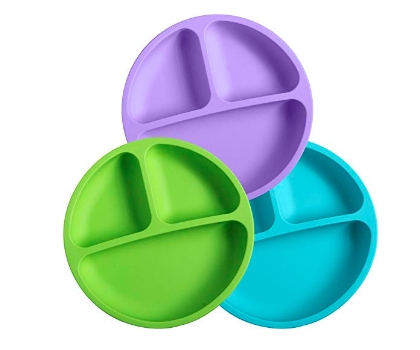
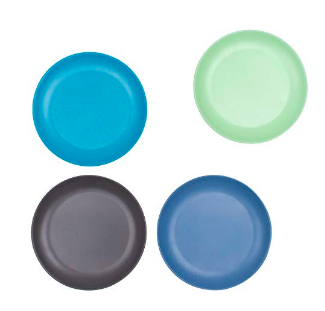
Pick Small Plates
Our mind likes to see a full plate, so regardless of the size we tend to fill it up. Dishing your kids dinner on a smaller plate means that even if the plate is full, the portion won’t be too large for them.
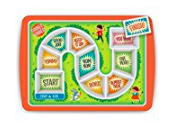
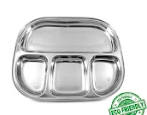
I love these kid-sized plates with special compartments:
Silicone divided toddler plates
Stainless steel compartment plate
You could even try a muffin tin to keep things small and fun.
Serve Meals Family Style
Instead of portioning out meals for your family, try placing the serving dishes on the table to serve the meal family style. This way each eater can serve themselves and pick the portion size that looks right for them. If your children are old enough they can serve themselves. If they’re not at that stage yet, let them dictate how much you put on their plate. Sometimes little ones will overestimate and end up with too much on their plates, but that’s okay. Portion sizes are a learning curve and the important thing is that the child is in charge of the portion.
Create a Learning Plate
This plate can contain small portions of new foods. Keep it on the table during a meal. There’s no pressure for anyone to eat from it, but do encourage anyone who is interested to touch, lick, hold, and/or smell the new food. Preparing small portions also eliminates food waste and can keep food costs down.
Use a Tiny Tasting Spoon
A teeny tasting spoon is a foolproof way to serve little bites of new foods. You can serve directly off of the spoon or use the spoon to create the perfect tasting size. I also like to keep a stash of disposable tasting spoons in the kitchen so young helpers can easily taste as they’re cooking. Try these tiny rainbow spoons or wooden biodegradable spoons.
Sometimes a Bigger Portion Size IS Better
Okay, so usually smaller portion sizes are less intimidating and more doable for extremely picky eaters. But sometimes, serving a LARGE portion size can be irresistibly appealing.
Don’t be afraid to offer a ridiculously giant serving or piece of food.
Serve half a melon with a spoon, a giant meatball, a whole pepper to eat like an apple, or an entire head of broccoli.
Fun and silly can go a long way to make eating more appealing.
Recap
-
Large food portions can be off-putting for small kids, especially selective eaters
-
Try keeping all portions of food kid-sized at home by using smaller plates, serving meals family style, offering a tasting plate, and using small tasting spoons
Homework
The next time you’re introducing a new food to your child, reduce the portion size. Big time!

0 Comments